Creamy Macaroni Cheese Recipe
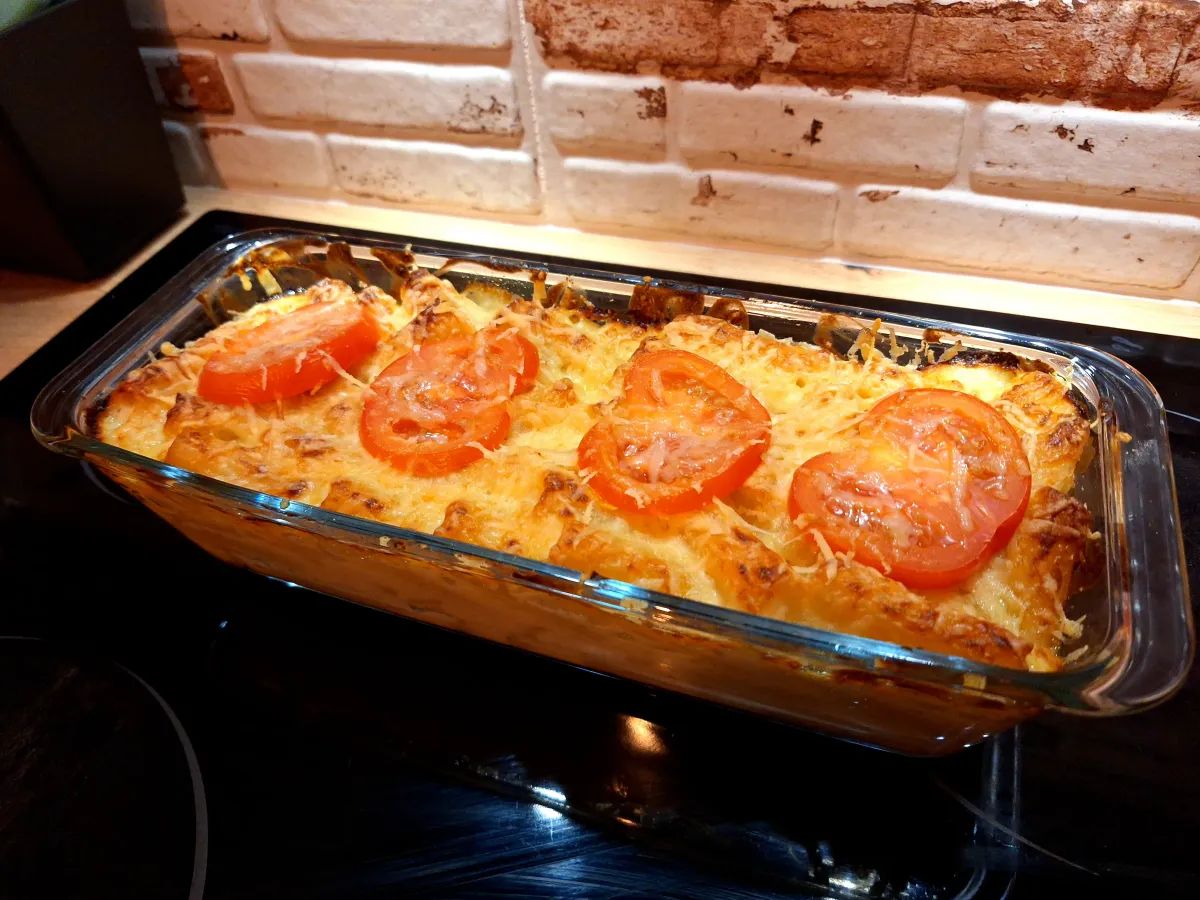
A no-fuss homemade mac 'n' cheese with a silky cheddar sauce, baked golden with sliced tomato on top.
Macaroni cheese or mac and cheese, you decide. It was always macaroni cheese for us at home.
This is a dish I've been wanting to make for a while now. Growing up in the UK, it was a regular on the dinner table, homemade by my mum. It's a simple, no-fuss meal and one I've missed since moving abroad. I've seen it ready-made in a supermarket here, but I don’t really fancy the look of it, so I decided to make my own.
In this recipe, we’ll make a roux, turn it into a béchamel sauce, then add cheese to make a Mornay sauce.
Although macaroni cheese isn't really an Italian dish, I like to think my version is how an Italian might make it, not sloppy, but firmer and smooth.
Ingredients
- 250g macaroni
- 70g plain flour
- 70g unsalted butter
- 700ml milk
- 250g cheddar cheese, grated, plus a little extra for finishing
- 1 tsp Dijon mustard
- ½ tsp salt
- ¼ tsp ground white pepper
- Freshly grated nutmeg
- 1 tomato, sliced
- A couple of splashes of Worcestershire sauce
Method
- 01
Cook the macaroni. Bring a large pan of salted water to the boil and cook the macaroni until just underdone, as it will continue cooking in the oven. The brand I use takes 13 minutes, so I cook it for 7 minutes for macaroni cheese. Drain and set aside.
- 02
Make the roux. Melt the butter in a saucepan over a medium heat until fully melted and slightly foaming. Add the flour and stir continuously to form a paste (roux). Cook for 3–5 minutes.
- 03
Prepare the cheese sauce. Gradually add the milk to the roux, a little at a time, stirring constantly to prevent lumps from forming. Cook for 10–15 minutes until the sauce is smooth and slightly thickened. Avoid making it too thick, as it will continue to thicken during baking. If needed, add a splash more milk. Add the salt, white pepper and freshly grated nutmeg.
- 04
Add the cheese. Remove the saucepan from the heat and stir in the mustard and 220g of the grated cheese until fully melted and combined. I like to add a couple of splashes of Worcestershire sauce for a bit of added flavour.
- 05
Combine the pasta and sauce. Add the drained macaroni to the cheese sauce and stir until the pasta is evenly coated. Transfer to a deep, suitably sized ovenproof dish.
- 06
Top with cheese. Sprinkle the remaining 30g of grated cheese evenly over the top.
- 07
Bake. Place the dish in a preheated oven at 180°C (160°C fan) and bake for 20 minutes.
- 08
Finish with tomatoes. At the end of cooking, arrange the sliced tomato on top. I like to grate a little extra cheese over the tomato and place the dish under a hot grill for a couple of minutes until the tomatoes are softened and the cheese is melted and lightly browned.
- 09
Serve with a nice green salad for the perfect meal.
👨🍳 Chef's Tip: The pasta should still be quite firm when drained, as it will continue cooking in the oven. For the macaroni I use, the packet cooking time is 13 minutes and I cook it for around 7 minutes for this recipe.
The History of a Comfort Food Classic
While macaroni cheese feels quintessentially British, its origins are a bit of a global affair. Pasta and cheese dishes have been around for centuries, but the modern version we know and love has a rich and debated history. Some food historians trace it back to 14th-century Italy, while others point to a recipe in an 18th-century British cookbook.
The dish later became popular in America during Thomas Jefferson's era. Jefferson developed a taste for pasta while in Europe, and his Paris-trained chef James Hemings likely helped introduce and popularise macaroni and cheese in the United States. It was then popularized for the masses by Kraft in the 1930s with their boxed dinner.
Questions & Comments (0)
Loading comments…
Leave a comment
Want to join the conversation?
Members can ask cooking questions, share recipe tips, comment on recipes, and discuss variations and substitutions.
Not a member yet? Subscribing is free.
You Might Also Like
Easy Moist Ginger Cake Recipe
A simple, moist ginger cake inspired by the classic Lyle’s ginger cake
Best Ever Cheese Scone Recipe
Light, fluffy cheddar scones from a treasured 1960s family recipe — best warm with butter.
Quiche Lorraine Recipe
A cheesy French classic with crisp shortcrust, smoky bacon, and a silky egg-and-cream custard.